|
There are several hundred
species of reef-building corals around the world, 70 of which are known
from Hawaii, in addition to many more in very deep water. It can be difficult to identify some species with certainty, especially
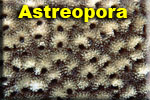
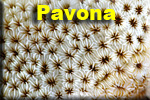
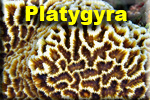
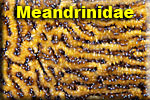
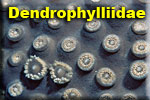
underwater, without examining the skeletal structure of the calices (cups inhabited by
individual polyps). Additional work is now conducted using genetic
markers. Hawaii's isolated location and subtropical water temperatures
have led to the formation of several endemic species, variations within single species, and
intergradations among others. Most corals are colonies of thousands of polyps
(clones) which form the familiar "coral head". Exceptions
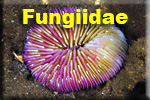
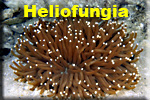
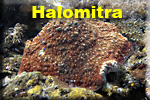
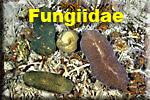
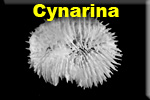
include Mushroom or Razor Corals
which are typically a single animal. Corals receive their
distinctive colors from algae cells called zooxanthellae embedded within the animals'
transparent flesh. Oxygen and carbohydrates that zooxanthellae produce by
photosynthesis are the principal source of energy for most corals, with zooplankton having
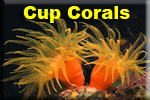
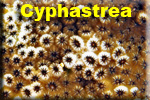
little or no importance. Cup Corals are an exception; lacking
zooxanthellae, they
feed upon large zooplankton at night. Many species can be readily identified by
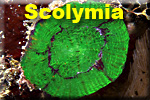
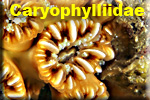
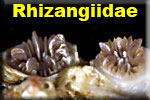
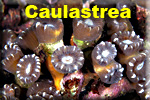
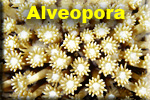
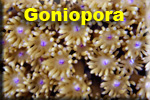
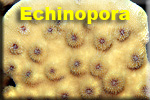
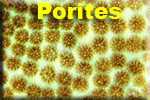
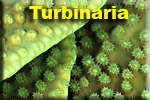
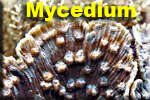
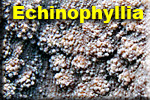
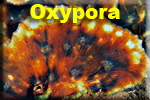
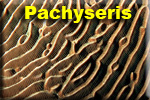
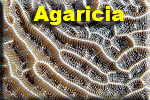
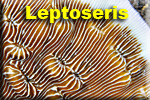
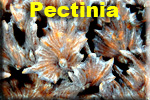
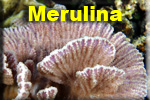
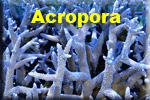
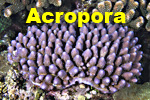
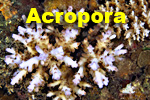
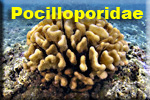
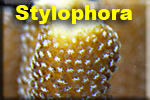
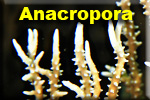
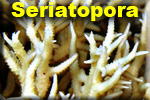
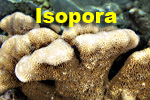
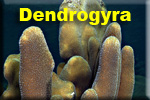
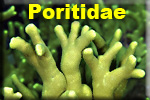
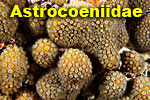
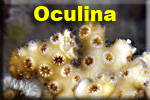
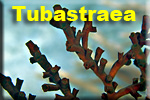
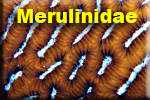
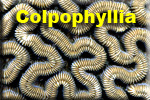
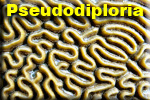
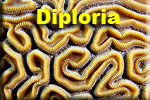
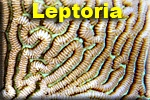
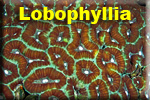
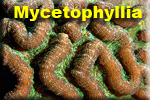
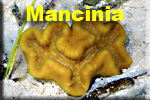
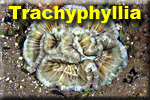
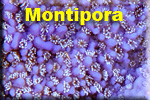
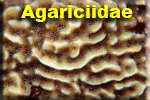
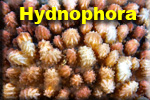
color, but there are always exceptions. Have a look at the photos for some common
variations.
Corals may grow as little as 1/4 inch per year and are
prone to damage by anchors, swimmers, and divers. Take care to avoid touching
live coral; their delicate flesh may be injured if pressed (even lightly) against the
razor-sharp skeleton, allowing infection or algae to take hold, weakening and potentially killing the
colony. Since December 1998 it has been illegal to collect live corals or "live rock" at any
time without a scientific collecting permit in Hawai'i: http://hawaii.gov/dlnr/dar/coral_liverock.html All
coral skeletons illustrated are from scientific collections taken prior
to 1998.
|