 |
Home > Fishes
> Groupers & Basses
Updated 5/5/2026
Groupers & Basses
|
Groupers are carnivorous fishes
that are typically large and slow moving, found under ledges and
caverns. They feed primarily upon fishes and large
crustaceans. Due to the high fish diet, many reef
species contain enough ciguatoxin to cause illness and caution
should be exercised. Large groupers are poorly represented in
Hawai'i, with one deepwater endemic, one waif, and one invasive alien
species. Small, colorful basslets and anthias are better
represented but uncommon, preferring deep water or dark caverns. They feed upon zooplankton
and are sexually dimorphic, with harems of smaller, less-colorful
females in the company of a male. Soapfishes (Family
Grammistidae) produce soapy bitter mucus to deter predators and are
rarely seen during the day. Family Serranidae was split into
several families in 2025. |
Family Anthiadidae
HAWAII - ENDEMIC
Compsanthias
hawaiiensis 
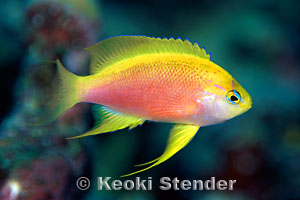
HAWAIIAN LONGFIN ANTHIAS, female |
Compsanthias
hawaiiensis
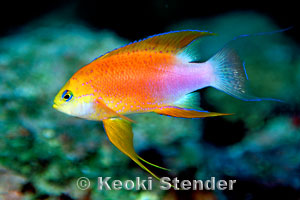
HAWAIIAN LONGFIN ANTHIAS, male |
| Pseudanthias thompsoni
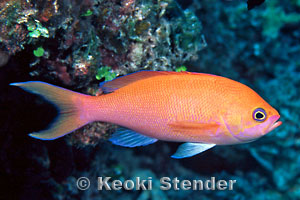
THOMPSON'S ANTHIAS, female
|
Pseudanthias thompsoni
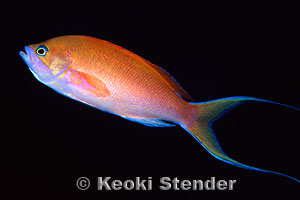
THOMPSON'S ANTHIAS, male |
| Holanthias fuscipinnis
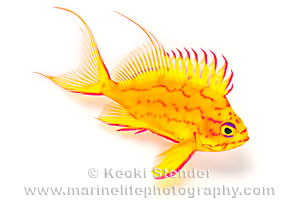
HAWAIIAN YELLOW ANTHIAS, juv |
Holanthias fuscipinnis
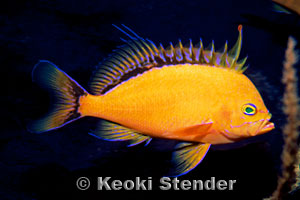
HAWAIIAN YELLOW ANTHIAS |
| Caprodon unicolor

ELEGANT ANTHIAS, female |
Caprodon unicolor
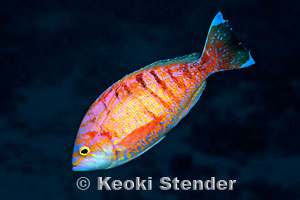
ELEGANT ANTHIAS, male |
|
Zalanthias kelloggi
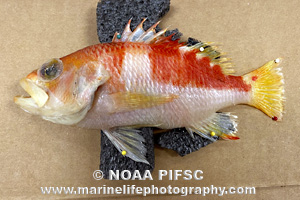
THREADFIN PERCHLET |
|
|
|
INDO-PACIFIC / HAWAII
|
Luzonichthys earlei
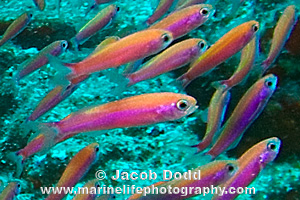
EARLE'S SPLITFIN ANTHIAS |
Pseudanthias bicolor

BICOLOR ANTHIAS |
| Xenanthias nanus
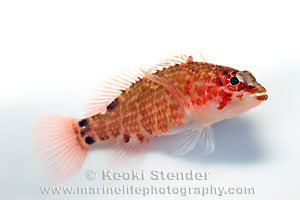
DWARF PERCHLET |
Xenanthias
winniensis
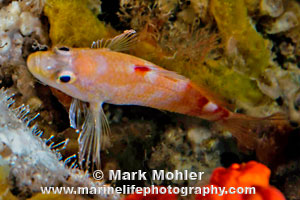
REDBLOTCH PERCHLET |
|
|
INDO-PACIFIC
|
Luzonichthys waitei
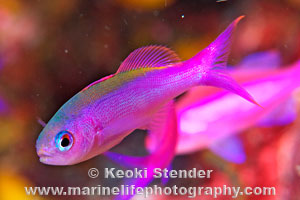
MAGENTA SLENDER ANTHIAS
|
Serranocirrhitus latus
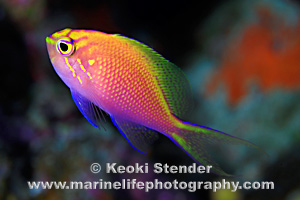
HAWK ANTHIAS
|
|
Pseudanthias
dispar
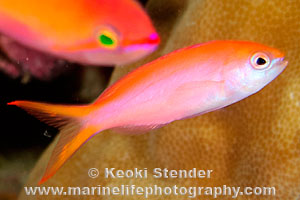
REDFIN ANTHIAS, female
|
Pseudanthias
dispar
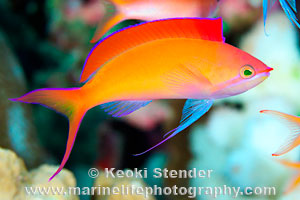
REDFIN ANTHIAS, male
|
| Pseudanthias
squamipinnis
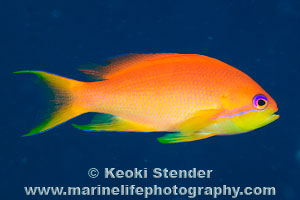
SCALEFIN ANTHIAS, female
|
Pseudanthias
squamipinnis
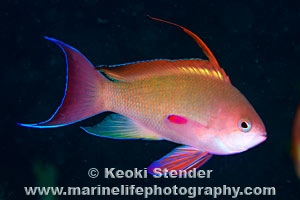
SCALEFIN ANTHIAS, male
|
| Pseudanthias huchtii
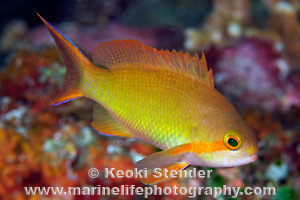
RED-CHEEKED ANTHIAS, female
|
Pseudanthias huchtii
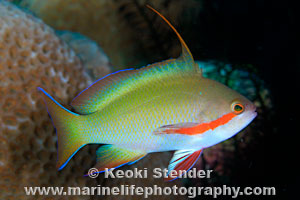
RED-CHEEKED ANTHIAS, male
|
|
Pseudanthias tuka
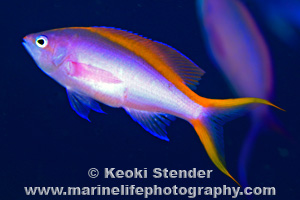
YELLOWSTRIPE ANTHIAS, female
|
Pseudanthias tuka
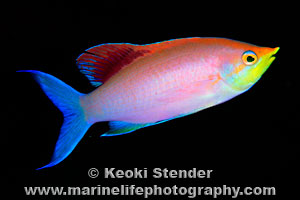
YELLOWSTRIPE ANTHIAS, male |
|
Pseudanthias
pascalus
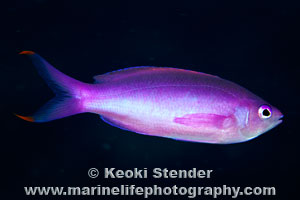
PURPLE QUEEN, female |
Pseudanthias
pascalus
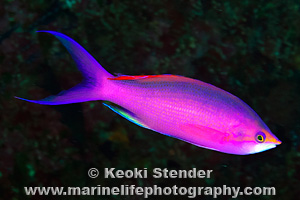
PURPLE QUEEN, male |
| Pseudanthias pleurotaenia
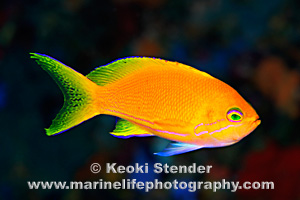
SQUARESPOT ANTHIAS, female
|
Pseudanthias pleurotaenia
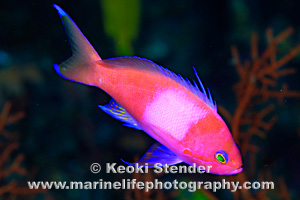
SQUARESPOT ANTHIAS, male
|
|
Pseudanthias
smithvanizi
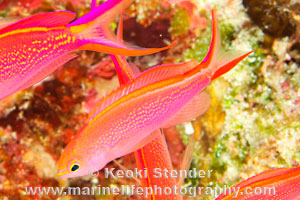
PRINCESS ANTHIAS, female |
Pseudanthias
smithvanizi
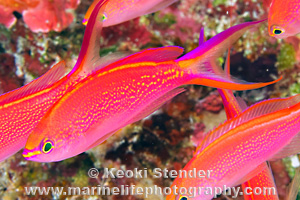
PRINCESS ANTHIAS, male |
| Pseudanthias
hypselosoma
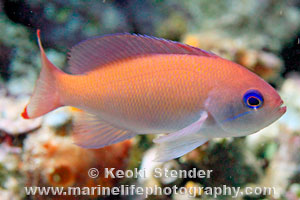
STOCKY ANTHIAS, female |
Pseudanthias
hypselosoma
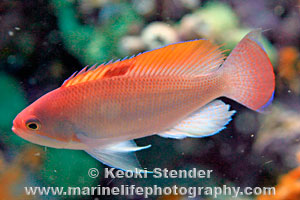
STOCKY ANTHIAS, male |
|
Pseudanthias lori
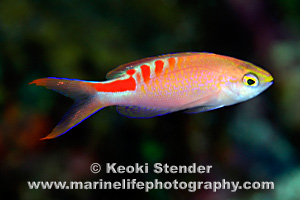
LORI'S ANTHIAS, female
|
Pseudanthias
cooperi
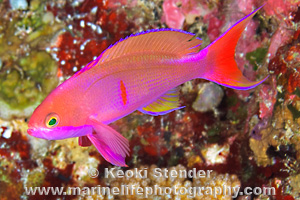
REDBAR ANTHIAS, female |
|
Pseudanthias bartlettorum

BARTLETT'S ANTHIAS
|
|
|
|
| |
|
JAPAN
| Caprodon schlegelii

SCHLEGEL'S
ANTHIAS, Female
|
Caprodon schlegelii

SCHLEGEL'S
ANTHIAS, Male |
| Sacura margaritacea
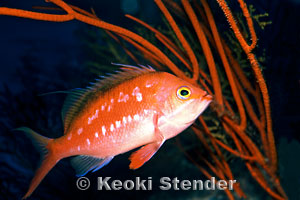
JAPANESE ANTHIAS Sakuradai
|
|
Family Epinephelidae
HAWAII - ENDEMIC
| Hyporthodus quernus
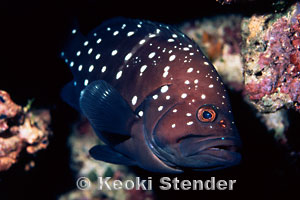
HAWAIIAN GROUPER, juv. hāpu'u
|
Hyporthodus quernus
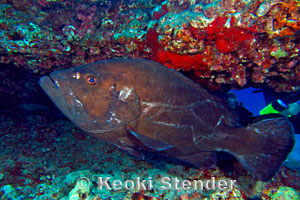
HAWAIIAN GROUPER hāpu'u
|
| Liopropoma aurora
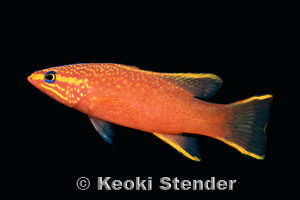
SUNRISE BASSLET |
|
INDO-PACIFIC / HAWAII
Cephalopholis argus

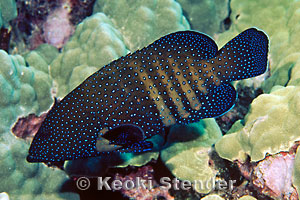
PEACOCK GROUPER |
Epinephelus lanceolatus
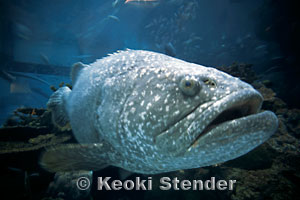
GIANT GROUPER |
|
|
INDO-PACIFIC
| Cephalopholis miniata
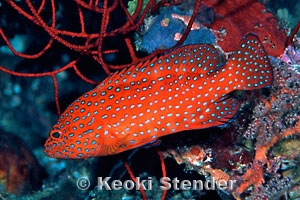
CORALGROUPER |
Cephalopholis sexmaculata
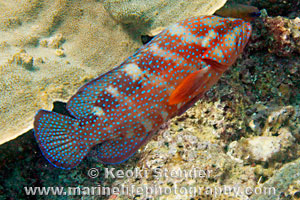
SADDLE GROUPER
|
| Cephalopholis urodeta
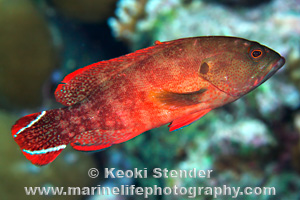
FLAGTAIL GROUPER |
Anyperodon leucogrammicus
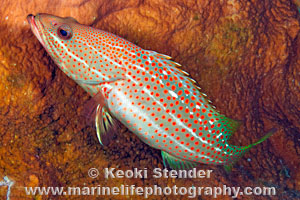
SLENDER GROUPER
|
| Cephalopholis polleni

HARLEQUIN GROUPER
|
Variola louti
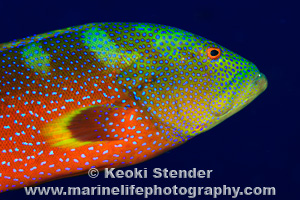
YELLOW-EDGED LYRETAIL
|
|
Plectropomus oligacanthus
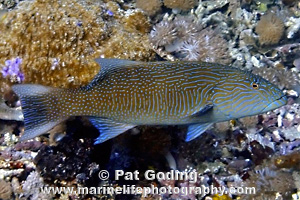
HIGHFIN GROUPER |
Plectropomus leopardus
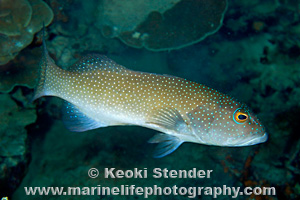
LEOPARD GROUPER |
|
Epinephelus ongus
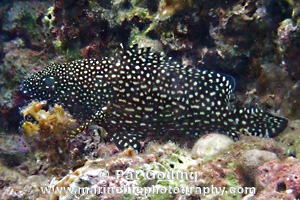
WHITE-STREAKED GROUPER, juv
|
Epinephelus ongus
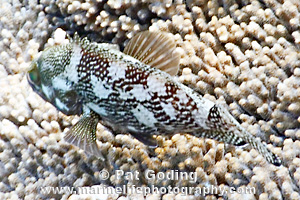
WHITE-STREAKED GROUPER
|
| Cephalopholis cyanostigma
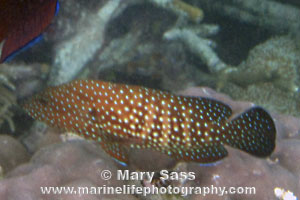
BLUE-SPOTTED GROUPER |
Plectropomus areolatus
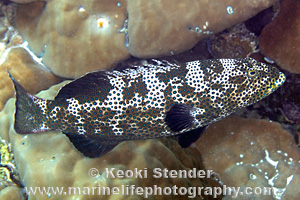
SQUARETAIL GROUPER |
|
Epinephelus spilotoceps
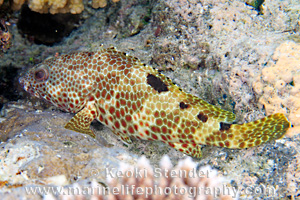
FOURSADDLE GROUPER
|
Epinephelus merra
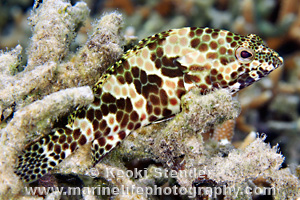
HONEYCOMB GROUPER
|
|
Epinephelus macrospilos
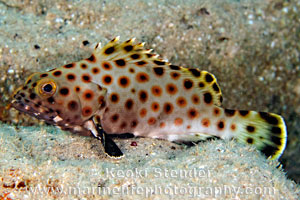
SNUBNOSE GROUPER
|
Epinephelus howlandi
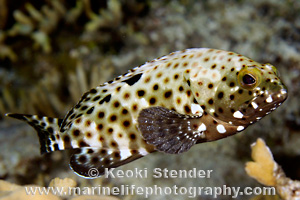
BLACKSADDLE GROUPER
|
|
Epinephelus areolatus
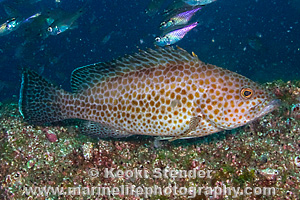
AREOLATE GROUPER
|
Epinephelus fasciatus
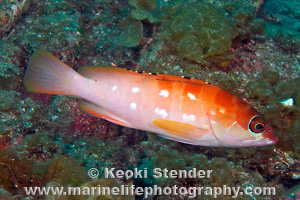
BLACKTIP GROUPER
|
|
Epinephelus malabaricus
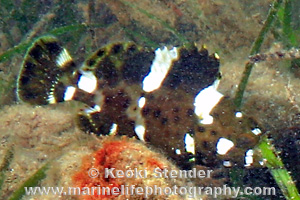
MALABAR GROUPER, juv
|
Epinephelus malabaricus
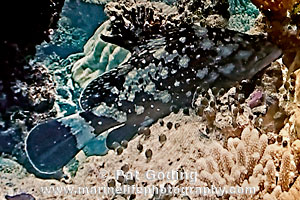
MALABAR GROUPER
|
|
Epinephelus polyphekadion
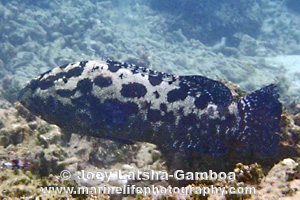
CAMOUFLAGE GROUPER
|
Epinephelus tukula
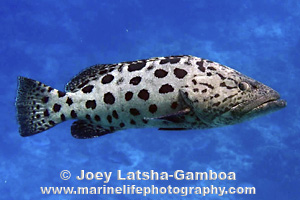
POTATO GROUPER
|
|
Gracila albomarginata
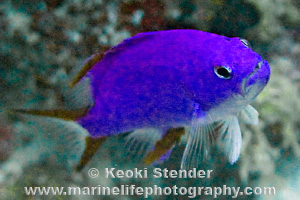
MASKED GROUPER, juvenile
|
Gracila albomarginata
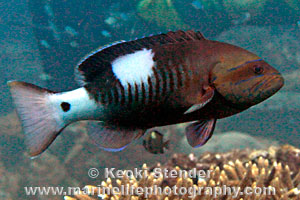
MASKED GROUPER
|
|
Cephalopholis boenak
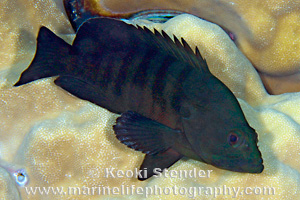
CHOCOLATE GROUPER
|
Aethaloperca rogaa
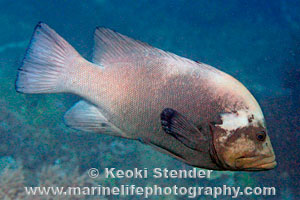
REDMOUTH GROUPER
|
|
Epinephelus undulosus

WAVY-LINED GROUPER
|
Cromileptes
altivelis
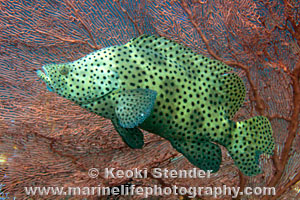
HUMPBACK GROUPER or PANTHERFISH
|
|
|
|
| |
|
TROPICAL EASTERN PACIFIC
| Alphestes
immaculatus
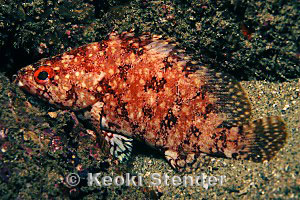
MUTTON HAMLET
|
Epinephelus labriformis
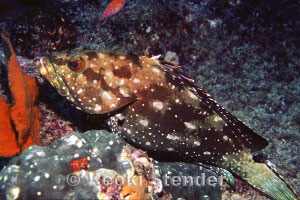
FLAG CABRILLA
|
| Epinephelus panamensis
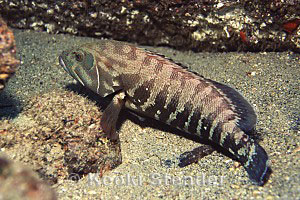
PANAMA GRAYSBY
|
Mycteroperca rosacea
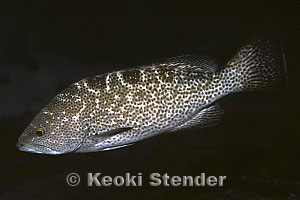
LEOPARD GROUPER
|
| Liopropoma fasciatum
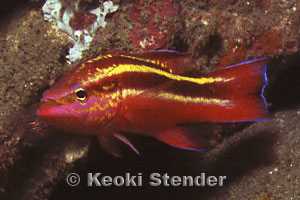
RAINBOW BASSLET
|
Cephalopholis colonus
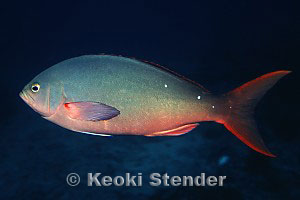
PACIFIC CREOLEFISH
|
|
|
|
|
|
WESTERN ATLANTIC
| Epinephelus
guttatus
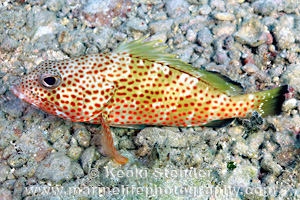
RED HIND |
Epinephelus
itajara
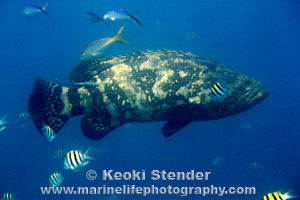
GOLIATH GROUPER |
|
Mycteroperca bonaci
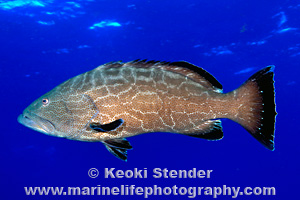
BLACK GROUPER |
Mycteroperca tigris
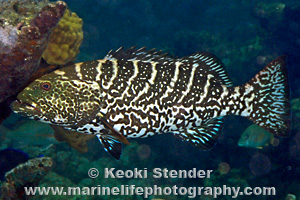
TIGER GROUPER |
| Cephalopholis cruentatus
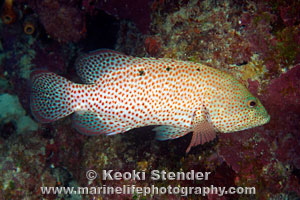
GRAYSBY
|
Epinephelus striatus
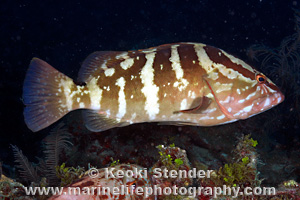
NASSAU GROUPER |
|
|
|
Family
Serranidae
TROPICAL EASTERN PACIFIC
| Serranus psittacinus
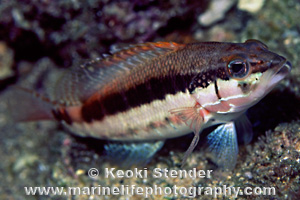
BANDED SERRANO
|
|
|
|
|
|
|
NORTHEAST PACIFIC
| Paralabrax clathratus
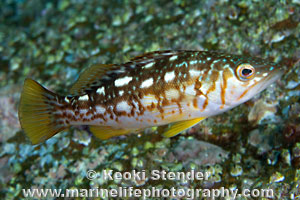
KELP or CALICO BASS |
|
|
|
WESTERN ATLANTIC
|
Hypoplectrus
indigo
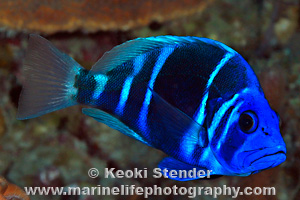
INDIGO HAMLET |
Hypoplectrus
aberrans
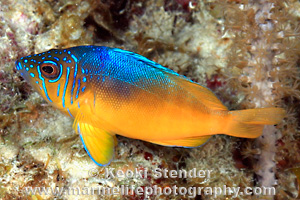
YELLOWBELLY HAMLET
|
|
Hypoplectrus
puella
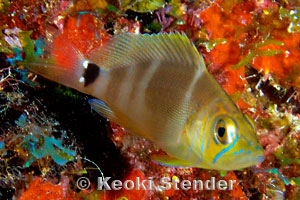
BARRED HAMLET, Juvenile
|
Hypoplectrus
puella

BARRED HAMLET |
|
Hypoplectrus unicolor
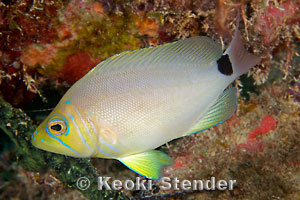
BUTTER HAMLET
|
Serranus
tigrinus
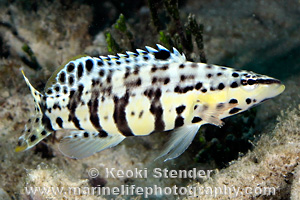
HARLEQUIN BASS |
|
|
|
Family
Liopropomatidae
Basslets
INDO-PACIFIC
|
Diploprion bifasciatus
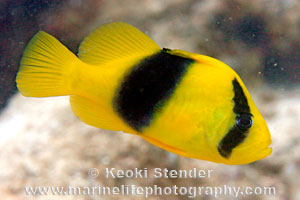
DOUBLEBANDED SOAPFISH |
|
|
|
|
|
Family Grammistidae
Soapfishes
INDO-PACIFIC / HAWAII
| Suttonia
lineata
 PALESTRIPE SOAPFISH |
Pseudogramma
polyacanthum
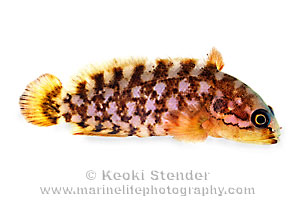
PALE-SPOTTED SOAPFISH |
|
|
|
INDO-PACIFIC
|
Pogonoperca punctata
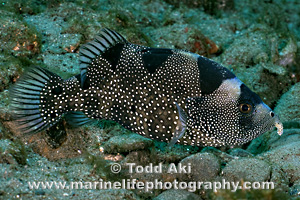
SPOTTED or BEARDED SOAPFISH
|
Grammistes sexlineatus
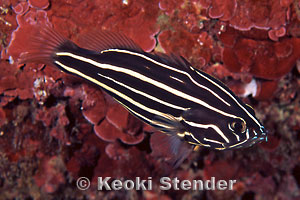
SIXLINE SOAPFISH |
|
|
|
|
TROPICAL EASTERN PACIFIC
| Rypticus bicolor
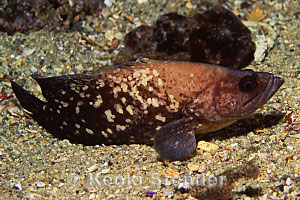
MOTTLED SOAPFISH
|
|
|
|
|
|
TROPICAL WESTERN ATLANTIC
|
Rypticus saponaceus
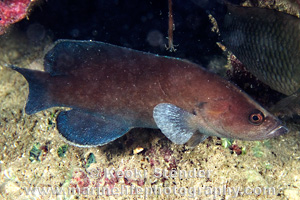
GREATER SOAPFISH
|
|
|
|
|
|
Family Stereolepididae
CALIFORNIA
| Stereolepis gigas
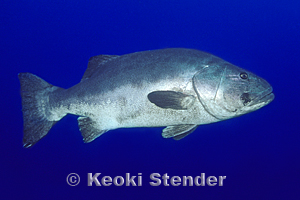
BLACK or GIANT SEA BASS
|
|
|
|
|
|
Family
Centropomidae
WESTERN ATLANTIC
| Centropomus undecimalis
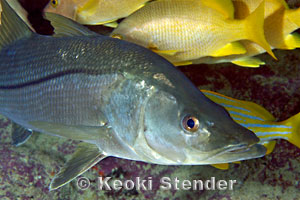
COMMON SNOOK
|
|
|
|
|
|
|