 |
|
|
|
|
|
|
|
|
|
|
|
|
|
|
|
 |
|
|
|
|
|
|
|
|
CORALS
|
|
|
|
|
|
|
|
|
|
|
|
|
|
|
|
|
|
|
|
|
|
|
|
|
|
|
|
|
|
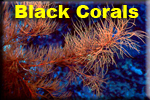
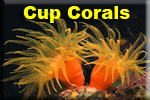
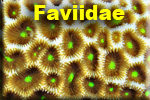
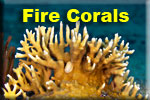
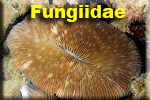
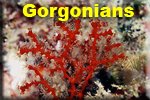
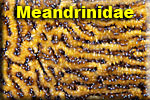
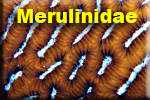
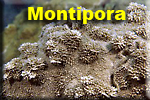
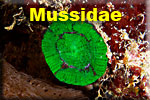
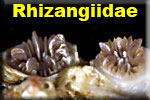
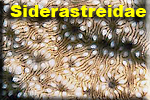
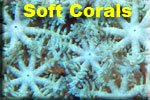
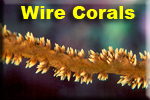
There are 66 confirmed species of Scleractinian corals recorded at normal diving depths in Hawai'i to date. It can be difficult to identify some species with certainty, especially underwater, without examining the skeletal structure of the calices (cups inhabited by individual polyps). Hawai'i's isolated location and subtropical water temperatures have led to the formation of several endemic species, variations within single species, and intergradations among others. Most corals are colonies of thousands of polyps (clones) which form the familiar "coral head". The exceptions are the Oval Cup and Mushroom Corals, which are generally single animals. Corals receive their distinctive colors from algae cells called zooxanthellae embedded within the animals' transparent flesh. Oxygen and carbohydrates that zooxanthellae produce by photosynthesis are the principal source of energy for most corals, with zooplankton having little or no importance. Cup Corals are an exception; lacking zooxanthellae, they feed upon large zooplankton at night. Many species can be readily identified by color, but there are always exceptions. Have a look at the photos for some common variations. Corals may grow as little as 1/4 inch per year and are prone to damage by anchors, swimmers, and divers. Please take care to avoid touching living corals; their delicate flesh may be injured if pressed (even lightly) against the razor-sharp skeleton, allowing infection or algae to take hold and potentially kill the entire colony. I t is illegal to collect live corals or "live rock" at any time without a permit in Hawai'i. |
|
For more information see Corals of Hawai'i by Douglas Fenner, 2005 by Mutual Publishing. It includes many of our photographs.
|
